data analyst · researcher · novelist
I build models people can use, and ask what the numbers mean for people
Applied mathematics, a background in regulatory compliance, and a writer's ear. My current independent research asks how durable a college major's earnings really are as jobs shift and AI changes the work.
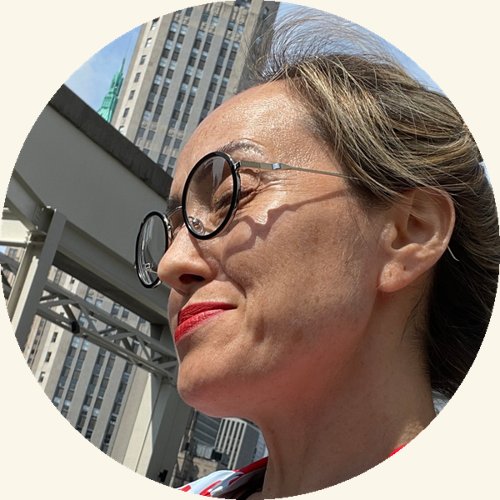
me, Nov 2026
independent research · Nov 2026 – present
How Durable Are the Earnings?
Most "best majors" lists rank fields by what graduates earn today. I asked a second question: how long is that earnings premium likely to last? The project follows 179 New York bachelor's majors into the jobs their graduates hold, using only public data.
0.26
how closely pay and durability move together. a high salary is not a hedge
17 of 21
job groups where official forecasts underestimated growth. choosing a major = betting on a forecast
1 in 3
US businesses now use AI. in some of the best-paid majors, employers haven't caught up yet
the case board · what the data revealed
Who lands softly when AI moves in?
New York majors, followed into the jobs they lead to, the doors out of those jobs, and the people in them
AI doesn't check your salary
the best-paid and the lowest-paid majors can face the same AI pressure
Math travels. Code, right now, doesn't
a math degree opens about 18 doors to similar-paying work. computer science: fewer than 1 that isn't under the same AI pressure
16% of New York jobs: a hard landing
older workforce, few ways out, high AI pressure, all at once. think office clerks, secretaries, bookkeepers, accountants
Forecasts couldn't rank majors
a decade later, the official growth projections had put majors in no better order than chance
Firm ground comes with more doors
majors whose jobs hold up also tend to have more ways out. nursing: about 36
Same major, different cushion
selective schools: about +18% pay in the same major. for-profits: about −18%. SUNY and CUNY grads sit on the firmest ground
Colleges follow enrollment, not AI
programs in the most AI-pressured majors aren't closing any faster. yet
The manager's 27 doors
a hotel manager's skills bridge into dozens of other management jobs. retraining into code can mean walking past them to the most crowded door
red thread: where it hurts green thread: where there's a way out tendencies, not predictions
built in Python on public data: Dept. of Education, BLS, NYS DOL, IPEDS, U.S. Census Bureau
earlier: what does a major earn? what is a New York major worth?
During my internship with the Institutional Effectiveness team at Empire State University, I replicated The HEA Group's "What Your Major is Worth" for New York, and proposed and built extensions comparing bachelor's with master's and post-bachelor's certificates, plus earnings benchmarks for graduates over 34. The durability question grew out of that work.
fiction · in progress
The Wind Girl
my first novel, based on real life
A novel told by the Wind, written like a diary, felt like a prayer
The Wind has known her since she was a little girl, singing for her father at dawn. It followed her from the steppe to a new country, where she raised her daughter alone, and watched her love a man who measured everything in what he owned. Day by day, she dimmed herself to fit his world.
This is a story of love that warms and love that cages, of a mother and daughter who collide like two stars, and of the quiet courage it takes to leave. The Wind is not only the narrator but a character. The pages read like an old notebook, with photographs, handwriting, and lines marked by tears. Kazakh lament, faith, and the language of the steppe run through a modern story of love and immigration.
Inspired by real life. Not a happy ending, but a way back to her own light.
© Wind Girl Novel
I write in English, Russian and Kazakh. My creative writing was honored with the Nicholas Pekearo Scholarship.
read the short storyThe Fur Hat →a Soviet childhood, one mink hat, and a family court that met at breakfast. the piece that helped me earn the scholarship follow the novel on Instagramvideos
coming up
book readings
I'm organizing readings of The Wind Girl and my short stories, and I'll post the videos here. want to host one or come along? write to me
How durable are the earnings? a 5-minute walkthrough
what the durability index shows, and what it does not
a reading from The Wind Girl
first reading to be announced
about

looking up, New York
I'm a coordinator at heart: I like turning scattered data and scattered people into one clear picture. Before analytics, I worked in regulatory compliance supporting SEC Enforcement.
Writing stories led me to models and analysis. A model is a story too, with characters, turning points and outliers, only told in numbers. It is still about people, and about how they live with the systems around them.
- — B.S. in Applied Mathematics
- — M.S. in Applied Analytics, in progress, SUNY Empire
- — data analytics intern, Institutional Effectiveness, Empire State University
- — Python, pandas, PySpark, data modeling, Microsoft Fabric, Power BI, statistical modeling
always glad to meet people in AI, analytics, higher education and workforce planning
let's talk
For field-by-field results, analytics roles, speaking or the novel, send me a note